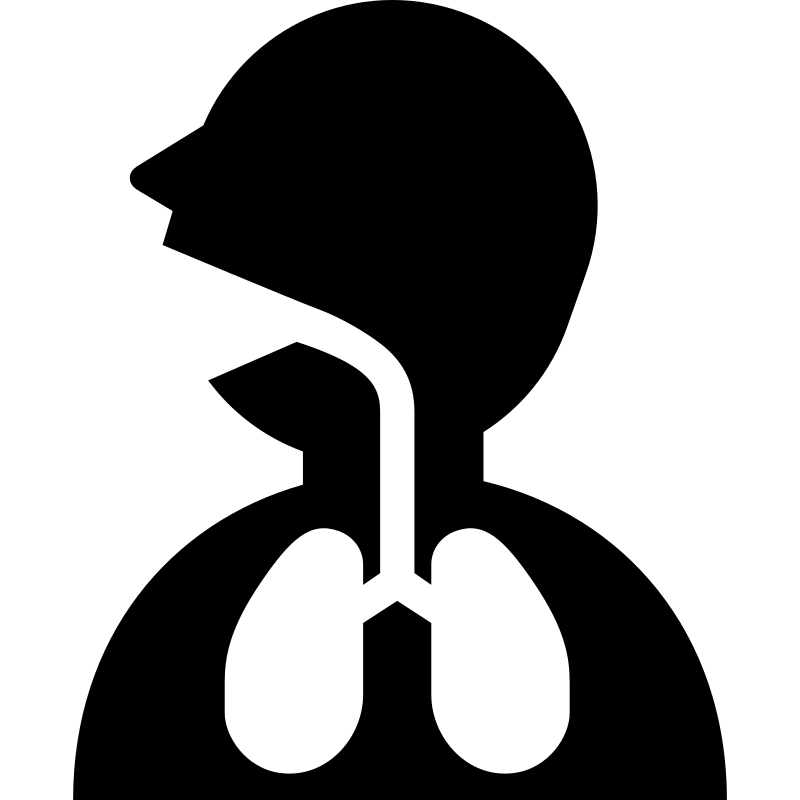
Atypical pneumonia is a type of pneumonia that is caused by bacteria other than the typical bacteria that cause pneumonia. It’s a serious infection that can affect children of all ages, and if left untreated, can lead to serious complications. Atypical pneumonia can be caused by a variety of bacteria, including Mycoplasma pneumoniae, Chlamydophila pneumoniae, and Legionella pneumophila.
Atypical Pneumonia
- Overview
- Symptoms
- Causes
- Diagnosis
- Treatment Options
- Patient Success Stories
- Living with Atypical Pneumonia
- Contact Us
Overview
Symptoms
Common symptoms of atypical pneumonia in children include:
- Coughing, which may produce mucus or phlegm
- Fever, which can be high or low-grade
- Chills
- Headache
- Fatigue
- Chest pain or discomfort
- Shortness of breath or difficulty breathing
- Wheezing or coughing up blood (in severe cases)
Causes
Atypical pneumonia can be caused by a variety of factors, including:
- Bacterial infections, such as Mycoplasma pneumoniae, Chlamydophila pneumoniae, and Legionella pneumophila
- Viral infections, such as influenza or respiratory syncytial virus (RSV)
- Exposure to contaminated water or air
- Weakened immune system, such as in children with underlying medical conditions
Diagnosis
Diagnosing atypical pneumonia can be challenging, as the symptoms can be similar to those of other respiratory infections. A diagnosis is typically made through a combination of:
- Review Medical History: Our doctor will ask about your child’s symptoms, medical history, and overall health to understand their condition.
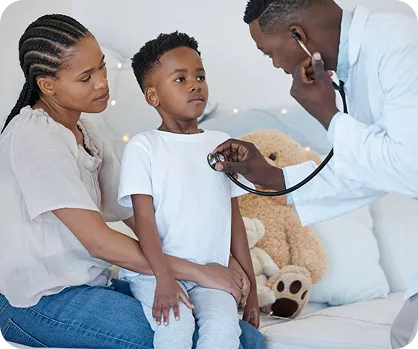
- Conduct Physical Exam: Our doctor will perform a physical exam to check your child’s vital signs, listen to their lungs, and look for any signs of infection.
- Run Blood Tests: We will take a blood sample to check for the presence of bacteria or viruses that may be causing the infection.
- Analyze Sputum: We will analyze the mucus or phlegm coughed up by your child to check for any signs of infection.
- Take a Chest X-ray: We will take a picture of your child’s chest to look for any fluid or abnormalities in the lungs.
- Perform a CT Scan: We will use a special type of X-ray to take detailed images of your child’s chest and lungs.
Treatment Options
Treatment for atypical pneumonia usually involves a combination of antibiotics and supportive care. Here’s what you can expect:
- Prescribe Antibiotics: Our doctor will prescribe antibiotics to target the underlying bacterial infection and help your child’s body fight off the infection.
- Administer Oxygen Therapy: We will provide oxygen therapy to help increase oxygen levels in the blood and support your child’s breathing.
- Provide Pain Management: Our team will work with you to develop a pain management plan to alleviate chest pain or discomfort and make your child more comfortable.
- Monitor Fluid Intake: We will closely monitor your child’s fluid intake to prevent dehydration and ensure they are getting enough fluids.
- Encourage Rest and Recovery: Our team will work with you to develop a plan to help your child get plenty of rest and recover from the infection.
- Once we have started treatment, our team will closely monitor your child’s progress and adjust the treatment plan as needed to ensure the best possible outcome.
Patient Success Stories
At Gertrude’s Children’s Hospital, we are committed to providing the best possible care for children with Atypical Pneumonia. Here’s why families trust us:
“Our child was diagnosed with atypical pneumonia and was admitted to the hospital for treatment. The team at Gertrude's Children's Hospital was amazing - they worked with us to develop a personalized treatment plan that addressed our child's unique needs and helped them recover quickly.”
Rachelparent of a child with atypical pneumonia
Atypical Pneumonia
Typical pneumonia is caused by the bacteria Streptococcus pneumoniae, while atypical pneumonia is caused by other types of bacteria.
Treatment usually involves a combination of antibiotics and supportive care, such as oxygen therapy and pain management.
While it's not possible to completely prevent atypical pneumonia, there are steps you can take to reduce your child's risk, such as practicing good hygiene, getting vaccinated against flu and other infections, and avoiding close contact with people who are sick.
Contact Us
If you suspect that your child may have atypical pneumonia, we encourage you to schedule an appointment with our pediatric pulmonology team. Our team of experienced healthcare professionals is here to support you and your child every step of the way.
Contact us today to learn more about our Atypical Pneumonia treatment options.
- Phone: +254-709-529-000, +254-733-645-000
- Email: Info@gerties.org
- Online Scheduling: https://www.gerties.org/book-appointment/