How the Vaccine is Given to Babies and Young Children
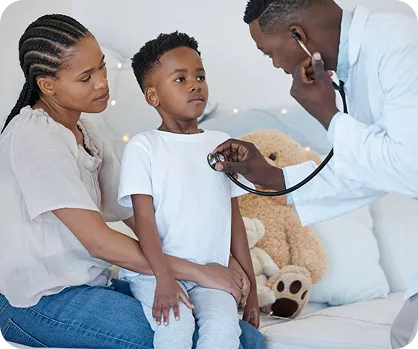
Influenza vaccines are administered either intramuscularly (IIV) or intranasally (LAIV).
- Inactivated Influenza Vaccine (IIV): Administered intramuscularly, typically in the upper arm.
- Live Attenuated Influenza Vaccine (LAIV): Administered as a nasal spray.
What to Expect During and After Vaccination
During vaccination, your child may experience mild discomfort from the injection or nasal spray. After vaccination, some children may experience common side effects such as soreness at the injection site, low-grade fever, or muscle aches.
How to Soothe and Comfort a Fussy Child After Vaccination
- Cuddle and Comfort: Hold your child close and offer comfort.
- Feed Your Child: Offering a favorite snack or drink can help soothe your child.
- Distract with Toys: Use favorite toys or activities to distract and comfort your child.
Types of Influenza Vaccines
Inactivated Influenza Vaccines (IIV)
- Age Group: Can be used in people aged 6 months and older.
- Dosage: One dose is recommended, but children aged 6 months to 8 years who have not received a seasonal influenza vaccine during the previous influenza season should receive 2 doses administered at least 4 weeks apart.
Live Attenuated Influenza Vaccines (LAIV)
- Age Group: Should be used only in persons aged 2–49 years who do not have underlying medical conditions.
- Dosage: Given as a nasal spray, one dose only; but children aged 2–8 years who have not received a seasonal influenza vaccine during the previous influenza season should receive 2 doses, at least 4 weeks apart.
- Contraindications: Do not administer LAIV to pregnant women.
Target Groups
Influenza vaccination is recommended every year, particularly for high-risk groups, including:
- Children <1 year of age
- Elderly persons, above 65 years
- Elderly non-institutionalized individuals suffering from chronic conditions such as pulmonary or cardiovascular illness, metabolic diseases including diabetes mellitus and renal dysfunction, and various types of immune-suppression including persons with AIDS and transplant recipients
- All adults and children aged over six months suffering from any of the conditions mentioned above
- Health care workers in regular, frequent contact with high-risk persons
- Household contacts of high-risk persons
- Pregnant women
In pandemics, all individuals should have the opportunity for immunization, with prioritization for children < 5 years and elderly >65 years.
Special Influenza Vaccines
When needed, special influenza vaccines are made available in response to the emergence of newer viruses or combinations of existing viruses. Some of these viruses include avian influenza (H5N1) and H1N1 viruses. Guidelines on the use of these vaccines will be provided by the Ministry of Health as necessary.