Hepatitis B Vaccine: Helping Parents and Caregivers Make Informed Decisions

Hepatitis B Vaccine: Helping Parents and Caregivers Make Informed Decisions

What is the Hepatitis B Vaccine?

The Hepatitis B vaccine is a crucial tool in protecting your child against Hepatitis B, a viral infection that affects the liver. This infection can cause serious symptoms such as jaundice, dark urine, extreme fatigue, and right upper quadrant tenderness. In infants and young children, these symptoms are often not apparent, but the infection can progress to chronic conditions like liver cirrhosis or liver cancer later in life.

How the Vaccine Works

The Hepatitis B vaccine works by stimulating your child’s immune system to produce antibodies against the Hepatitis B virus. This helps the body recognize and fight off the virus if exposed in the future, providing lifelong immunity.

Why It's Important for Children's Health

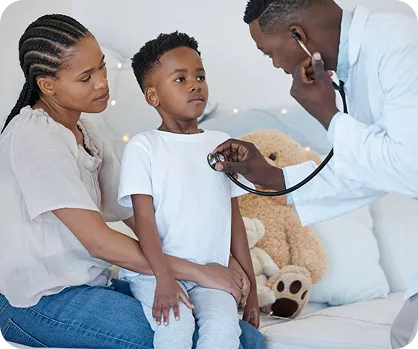
Vaccinating your child against Hepatitis B is essential because it can prevent serious illnesses and long-term health complications. By ensuring your child is vaccinated, you are protecting them from a potentially life-threatening disease and contributing to the overall health of the community.

Benefits

  • Prevention of Serious Illnesses: The Hepatitis B vaccine can prevent acute and chronic liver infections.
  • Reduced Risk of Complications: Vaccination helps reduce the risk of liver cirrhosis and liver cancer.
  • Lifelong Immunity: Once vaccinated, your child develops lifelong immunity against Hepatitis B.

Risks and Side Effects

Risks and Side Effects

  • Common Side Effects: These include redness, swelling, or pain at the injection site.
  • Rare but Serious Side Effects: Allergic reactions are rare but possible.

Common Questions

The Hepatitis B vaccine is typically given to infants at 6, 10, and 14 weeks of age. A monovalent hepatitis B vaccine can also be given as a birth dose, ideally within 24 hours, followed by the primary series.

Infants typically need three doses of the Hepatitis B vaccine, given at 6, 10, and 14 weeks of age. If a birth dose is given, it is followed by the primary series.

Yes, the Hepatitis B vaccine is generally safe for children with weakened immune systems. However, it's always best to consult with your healthcare provider for personalized advice.

Real-Life Stories

“My daughter received the Hepatitis B vaccine as an infant, and I’m so glad we made that decision. Knowing she’s protected against such a serious illness gives me peace of mind.” – Sarah, Mother of Two

Baby-Friendly Information

Baby-Friendly Information

How the Vaccine is Given to Babies and Young Children

The Hepatitis B vaccine is given as an intramuscular injection, usually into the upper arm deltoid muscle. For infants, the dose is 0.5 ml.

What to Expect During and After Vaccination

During vaccination, your baby may cry briefly due to the injection. After vaccination, some babies may experience mild side effects like redness or swelling at the injection site.

How to Soothe and Comfort a Fussy Baby After Vaccination

  • Cuddle and Comfort: Hold your baby close and offer comfort.
  • Feed Your Baby: Breastfeeding or offering a bottle can help soothe your baby.
  • Distract with Toys: Use favorite toys or blankets to distract and comfort your baby.

Don’t wait to protect your child’s health. Schedule a vaccination appointment at Gertrude’s Children’s Hospital today.

Reach Out to Us Today!

Contact Information

Book Appointment