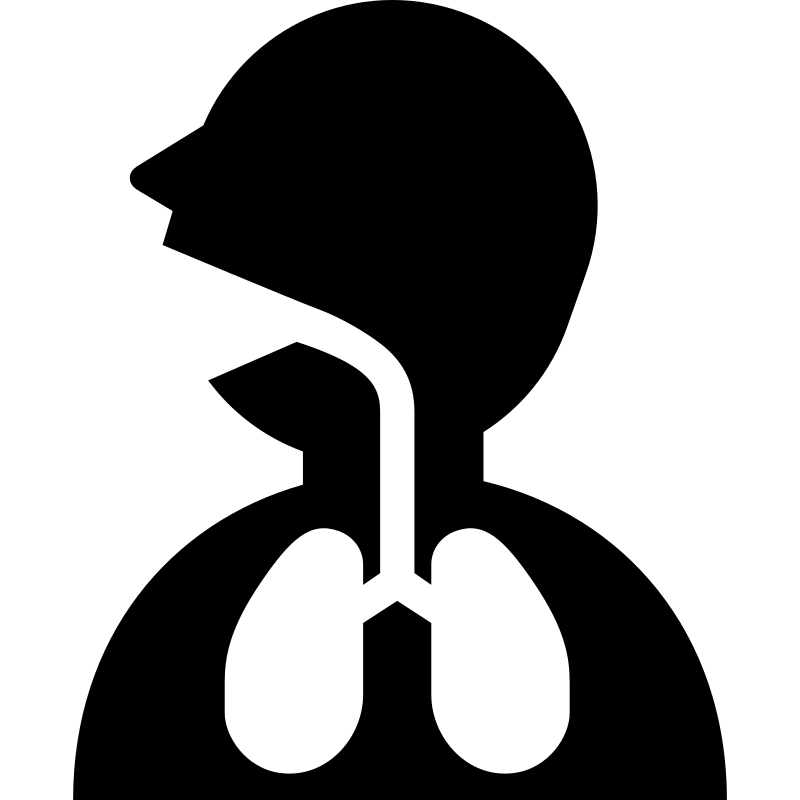
A congenital diaphragmatic hernia (CDH) is a condition a baby is born with, where there’s a hole in the diaphragm. The diaphragm is a muscle that separates the chest from the belly. Because of the hole, organs like the intestines can move up into the chest, pressing on the lungs.
Congenital Diaphragmatic Hernia in Children
- Overview
- Symptoms
- Causes
- Diagnosis
- Treatment Options
- Patient Success Stories
- Living with Congenital Diaphragmatic Hernia
- Contact Us
Overview

Symptoms
If a child has CDH, you might notice:
- Trouble breathing or breathing quickly
- Skin that looks bluish (cyanosis)
- Belly tenderness or tightness
- Vomiting or feeling sick
- Difficulty gaining weight or growing
Causes
CDH can happen because of:
- Genetics: It can run in families.
- Development Issues: Problems during the baby’s development in the womb.
- Blockages: Issues with the diaphragm’s formation.
- Premature Birth: Being born early or being very small.
Diagnosis
Doctors will:
- Physical Exam: Check the child’s health.
- Medical History: Review the child’s medical background.
- Imaging Tests: Use ultrasound or X-ray to see inside the body and confirm the diagnosis.
Treatment Options
The main treatment for CDH is surgery to fix the hole in the diaphragm and move the organs back to their right place. At Gertrude’s Children’s Hospital, we offer:
- Surgical Repair: Fixing the hole and repositioning the organs.
- Expert Care: Experienced surgeons and anesthesiologists handle the procedure.
- Supportive Care: Managing pain and caring for the wound to help recovery.
Patient Success Stories
At Gertrude’s Children’s Hospital, we are committed to providing the best possible care for children with Congenital Diaphragmatic Hernia. Here’s why families trust us:
“Our son had CDH and needed surgery. The team at Gertrude’s was fantastic. They explained everything clearly and took great care of him. He’s now doing great!”
Johnparent
Congenital Diaphragmatic Hernia in Children
If untreated, CDH can lead to serious problems like breathing difficulties or heart issues.
It’s usually treated with surgery to close the hole and return the organs to their proper place.
Success rates are high, especially if treatment starts early.
Contact Us
If you think your child might have CDH, get in touch with us right away. We’re here to provide the best care and treatment for your child.
Contact us today to learn more about our Congenital Diaphragmatic Hernia in Children treatment options.
- Phone: +254-709-529-000, +254-733-645-000
- Email: Info@gerties.org
- Online Scheduling: https://www.gerties.org/book-appointment/