A concussion is a type of traumatic brain injury (TBI) caused by a bump, blow, or jolt to the head or body that causes the brain to move rapidly within the skull. This sudden movement can temporarily affect brain function, leading to a range of symptoms. Concussions are common in children and adolescents, particularly those involved in sports or recreational activities.
Concussion in Children
- Overview
- Symptoms
- Causes
- Diagnosis
- Treatment Options
- Patient Success Stories
- Living with Concussion
- Contact Us
Overview
Symptoms
The symptoms of a concussion can vary widely and may not always be immediately apparent. Common symptoms in children may include:
- Physical Symptoms:
- Headache
- Nausea or vomiting
- Balance problems or dizziness
- Blurred or double vision
- Sensitivity to light or noise
- Fatigue or feeling slowed down
- Cognitive Symptoms:
- Difficulty concentrating or remembering
- Confusion or feeling “foggy”
- Difficulty with problem-solving or decision-making
- Emotional Symptoms:
- Irritability or increased emotionality
- Sadness or nervousness
- Changes in sleep patterns (sleeping more or less than usual)
Causes
Concussions are typically caused by a direct or indirect impact to the head or body, such as:
- Falls, especially in younger children
- Sports-related injuries, such as those occurring in football, soccer, or hockey
- Motor vehicle accidents
- Playground injuries
- Physical altercations or abuse
Diagnosis
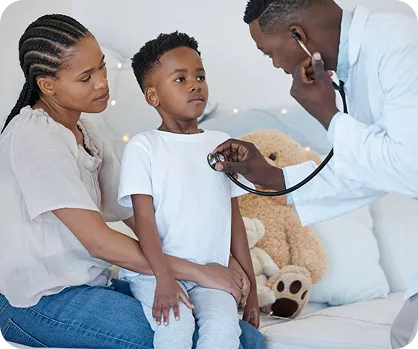
Diagnosing a concussion involves a thorough evaluation by a healthcare professional, including:
- Medical History and Physical Exam: Reviewing the child’s symptoms and performing a physical examination to assess neurological function, balance, and coordination.
- Cognitive Testing: Evaluating the child’s memory, concentration, and problem-solving abilities.
- Imaging Studies: In some cases, a CT scan or MRI may be ordered to rule out more severe injuries, such as bleeding or swelling in the brain. However, these tests are not always necessary for diagnosing a concussion.
Treatment Options
Most concussions resolve on their own with rest and time. However, proper management is essential to ensure a safe and complete recovery. Our hospital offers a range of treatment options, including:
- Physical and Cognitive Rest: Limiting physical activities and mental tasks that require concentration or attention, such as schoolwork, video games, or screen time, to allow the brain to heal.
- Gradual Return to Activity: Slowly reintroducing physical and cognitive activities under the guidance of a healthcare professional to avoid exacerbating symptoms.
- Symptom Management: Addressing specific symptoms, such as headaches or sleep disturbances, with appropriate medications or therapies.
- Rehabilitation: In some cases, physical therapy, occupational therapy, or speech therapy may be recommended to address lingering symptoms or deficits.
- Education and Support: Providing families with information and resources to understand concussions and support their child’s recovery.
Patient Success Stories
At Gertrude’s Children’s Hospital, we are committed to providing the best possible care for children with Concussion. Here’s why families trust us:
“Our daughter suffered a concussion during a soccer game, and we were worried about her recovery. The team at Gertrude's Children's Hospital provided excellent care and guidance throughout her healing process. With their help, she was able to return to school and sports safely and confidently.”
Markfather of a child with a concussion
Concussion in Children
The recovery time for a concussion can vary widely, ranging from a few days to several weeks or even months. Factors such as the severity of the injury, the child's age, and their overall health can influence the recovery process.
Yes, it is generally safe for a child to sleep after a concussion. However, it is essential to monitor them for any worsening symptoms or changes in behavior. If you notice any concerning signs, seek immediate medical attention.
A child should only return to sports after a concussion under the guidance of a healthcare professional. They should be symptom-free and have gradually increased their physical activity without experiencing any recurring symptoms.
Contact Us
If your child has suffered a head injury and you suspect a concussion, it’s crucial to seek medical attention promptly. Our team of experienced specialists is here to support you and your child every step of the way.
Contact us today to learn more about our Concussion treatment options.
- Phone: +254-709-529-000, +254-733-645-000
- Email: Info@gerties.org
- Online Scheduling: https://www.gerties.org/book-appointment/