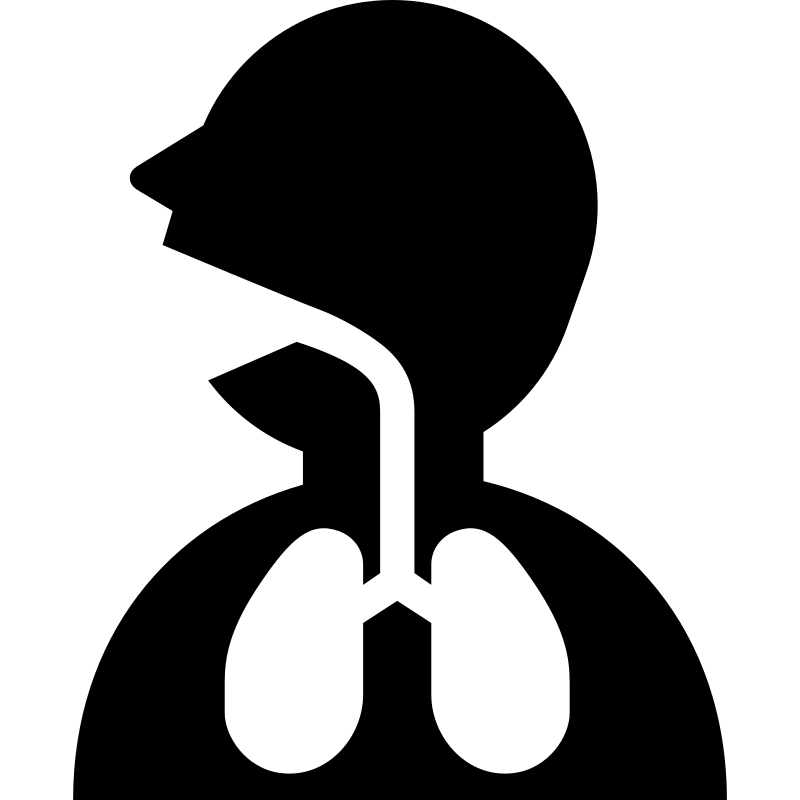
Bronchopulmonary dysplasia (BPD) is a chronic lung disease that affects premature babies, typically those born before 32 weeks of gestation. It is characterized by inflammation and scarring in the lungs, which can lead to breathing difficulties, respiratory failure, and long-term health complications.
Bronchopulmonary Dysplasia (BPD)
- Overview
- Symptoms
- Causes
- Diagnosis
- Treatment Options
- Patient Success Stories
- Living with Bronchopulmonary Dysplasia (BPD)
- Contact Us
Overview

Symptoms
Common symptoms of BPD include:
- Respiratory distress or difficulty breathing
- Apnea or pauses in breathing
- Bradycardia or slow heart rate
- Oxygen dependence or need for supplemental oxygen
- Wheezing or coughing
- Failure to thrive or poor weight gain
Causes
BPD is often caused by:
- Premature birth or low birth weight
- Respiratory distress syndrome (RDS) or other lung conditions
- Mechanical ventilation or oxygen therapy
- Infection or sepsis
- Genetic factors or family history
Diagnosis
Diagnosing BPD typically involves a combination of:
- Physical examination and medical history
- Chest X-ray or computed tomography (CT) scan to evaluate lung damage
- Pulmonary function tests (PFTs) to assess lung function
- Blood gas analysis to evaluate oxygen levels and acid-base balance
- Echocardiogram to assess heart function and rule out other conditions
Treatment Options
Treatment for BPD depends on the severity of the condition and the individual baby’s needs. Options may include:
- Oxygen therapy to support breathing and increase oxygen levels
- Mechanical ventilation to assist with breathing
- Medications to control inflammation and prevent infection
- Pulmonary rehabilitation to improve lung function and overall health
- Nutritional support to promote growth and development
At Gertrude’s Children’s Hospital, our neonatal intensive care unit (NICU) provides state-of-the-art care for babies with BPD. Our team of experienced neonatologists, pulmonologists, and other healthcare professionals work together to provide individualized care and treatment plans for each baby.
Patient Success Stories
At Gertrude’s Children’s Hospital, we are committed to providing the best possible care for children with Bronchopulmonary Dysplasia (BPD). Here’s why families trust us:
“Our baby was diagnosed with BPD at just a few weeks old, and we were so scared. But the team at Gertrude's Children's Hospital was amazing. They explained everything to us and helped us understand the treatment options. Our baby received oxygen therapy and pulmonary rehabilitation, and now she's thriving. We couldn't be more grateful.”
Emilyparent of a baby with Bronchopulmonary Dysplasia (BPD)
Bronchopulmonary Dysplasia (BPD)
BPD is a specific type of chronic lung disease that affects premature babies, while other conditions may affect different age groups or have different underlying causes.
Treatment for BPD in premature babies may involve oxygen therapy, mechanical ventilation, and medications to control inflammation and prevent infection.
The long-term effects of BPD can vary depending on the severity of the condition and the individual baby's response to treatment. Some babies may experience respiratory problems or other complications, while others may make a full recovery.
Contact Us
If you suspect that your baby may have BPD, we encourage you to seek medical attention immediately. Our team of experienced healthcare professionals is here to provide the best possible care and support for your baby.
Contact us today to learn more about our Bronchopulmonary Dysplasia (BPD) treatment options.
- Phone: +254-709-529-000, +254-733-645-000
- Email: Info@gerties.org
- Online Scheduling: https://www.gerties.org/book-appointment/