Atypical pneumonia, often called “walking pneumonia,” is a milder form of pneumonia that affects the lungs but typically causes less severe symptoms than typical bacterial pneumonia. Unlike typical pneumonia, which is caused by bacteria such as Streptococcus pneumoniae, atypical pneumonia is usually caused by different bacteria, including Mycoplasma pneumoniae, Chlamydia pneumoniae, or viruses. Despite being less severe, it still requires proper medical treatment to prevent complications, especially in children.
Atypical Pneumonia in Children
- Overview
- Symptoms
- Causes
- Diagnosis
- Treatment Options
- Patient Success Stories
- Living with Atypical Pneumonia in Children
- Contact Us
Overview
Symptoms
Atypical pneumonia symptoms can develop gradually and may be milder than those of typical pneumonia. Common signs in children include:
- Persistent cough, often dry and hacking
- Mild fever
- Headache
- Sore throat
- Fatigue and weakness
- Difficulty breathing or rapid breathing
- Chest discomfort
- Mild chills or body aches
Symptoms of atypical pneumonia can last longer than those of typical pneumonia, and children may appear less sick even though the infection is present.
Causes
Atypical pneumonia is caused by various organisms, with the most common being:
- Mycoplasma pneumoniae: A common cause of pneumonia in school-aged children and young adults.
- Chlamydia pneumoniae: Often affects older children and adolescents.
- Viruses: Some cases are caused by viral infections such as influenza or respiratory syncytial virus (RSV).
Atypical pneumonia spreads through respiratory droplets when an infected person coughs or sneezes, making it contagious. Close contact with infected individuals increases the risk.
Diagnosis
At Gertrude’s Children’s Hospital, our approach to diagnosing atypical pneumonia includes:
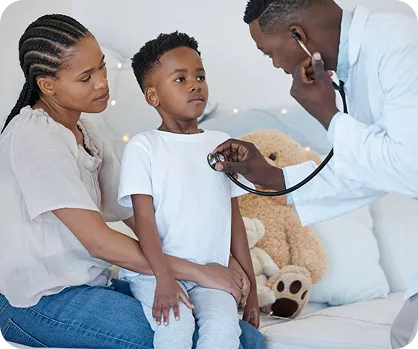
- Physical examination: Checking for abnormal lung sounds, such as crackles or wheezing.
- Chest X-ray: To assess lung involvement and rule out other causes of respiratory symptoms.
- Blood tests: To check for signs of infection and determine the specific organism causing the pneumonia.
- Sputum culture: In some cases, a sample of mucus from the lungs may be tested to identify the bacteria or virus responsible for the infection.
Accurate diagnosis helps guide the appropriate treatment for each child.
Treatment Options
Atypical pneumonia often requires a different treatment approach compared to typical bacterial pneumonia. At Gertrude’s Children’s Hospital, we offer:
- Antibiotic therapy: For bacterial causes like Mycoplasma or Chlamydia pneumoniae, antibiotics such as macrolides (e.g., azithromycin) are prescribed.
- Supportive care: This includes plenty of fluids, rest, and medications to relieve symptoms such as fever, cough, or chest discomfort.
- Viral pneumonia management: If a virus is the cause, antibiotics won’t help, but we focus on relieving symptoms and monitoring for complications.
- Ongoing monitoring: Children with atypical pneumonia usually recover well with appropriate treatment, but follow-up care may be necessary to ensure full recovery.
In more severe cases, especially if complications arise, hospitalization may be required for further supportive care.
Patient Success Stories
At Gertrude’s Children’s Hospital, we are committed to providing the best possible care for children with Atypical Pneumonia. Here’s why families trust us:
“The team at Gertrude’s was fantastic. They ensured our child received the best treatment from being diagnosed with atypical pneumonia through to recovery. They explained everything clearly and took great care of him. He’s now doing great!”
Emilyparent
Atypical Pneumonia in Children
Yes, atypical pneumonia is contagious, especially in settings like schools or daycares. It spreads through respiratory droplets when an infected person coughs or sneezes.
Atypical pneumonia generally causes milder symptoms, and it is often caused by different organisms like Mycoplasma or viruses. In contrast, typical pneumonia is usually more severe and is caused by bacteria like Streptococcus pneumoniae.
Recovery times vary, but children with atypical pneumonia usually start to feel better within a week of starting treatment. However, the cough and fatigue may last for several weeks.
It is best to keep your child home until they are no longer contagious and feeling well enough to participate in school activities. Consult your doctor for guidance on when your child can return to school.
Contact Us
If your child has symptoms of atypical pneumonia, early diagnosis and treatment are crucial for a quick recovery. Contact Gertrude’s Children’s Hospital for expert care and personalized treatment.
Contact us today to learn more about our Atypical Pneumonia in Children treatment options.
- Phone: +254-709-529-000, +254-733-645-000
- Email: Info@gerties.org
- Online Scheduling: https://www.gerties.org/book-appointment/