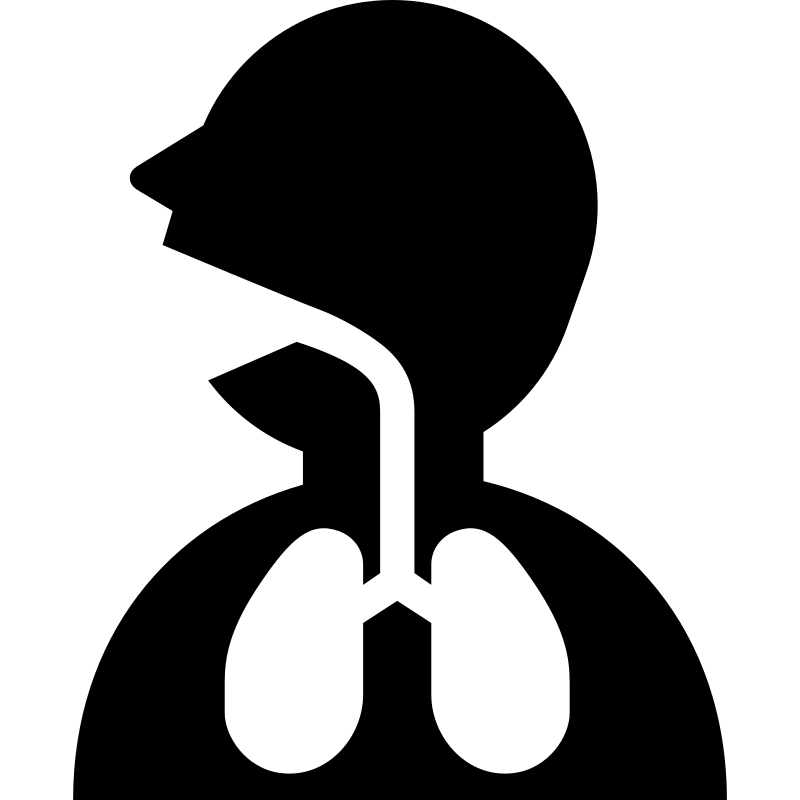
- What is Bronchoscopy?: A medical procedure where a flexible or rigid tube (bronchoscope) with a camera and light on the end is inserted through the mouth or nose to visually examine the airways (trachea, bronchi, and bronchioles) for diagnostic or therapeutic purposes.
- Why is Bronchoscopy necessary?: To:
- Diagnose and evaluate respiratory conditions (e.g., asthma, cystic fibrosis, foreign body aspiration)
- Identify and remove foreign objects or blockages from the airways
- Collect tissue or fluid samples for laboratory analysis (e.g., biopsy, culture)
- Administer medications or treatments directly to the airways
Detailed Explanation
Step-by-Step Process
- Pre-Procedure Preparation
- The child’s healthcare team assesses the need for bronchoscopy and explains the procedure to the family.
- The child’s medical history, allergies, and current medications are reviewed.
- Sedation and Anesthesia
- The child may receive sedation or general anesthesia to ensure comfort and minimize movement during the procedure.
- Bronchoscope Insertion
- The bronchoscope is gently inserted through the mouth or nose, and guided through the airways.
- The camera and light on the end of the bronchoscope provide a clear visual examination of the airways.
- Procedure and Sampling (if necessary)
- The healthcare provider performs the necessary diagnostic or therapeutic interventions (e.g., foreign body removal, biopsy).
- Tissue or fluid samples may be collected for laboratory analysis.
- Post-Procedure Care
- The child is monitored for any signs of complications (e.g., respiratory distress, bleeding).
- The child’s family is informed of the procedure’s outcome and any necessary follow-up care.