Juvenile Dermatomyositis (JDM) is a rare autoimmune disease that affects children under the age of 18. It is characterized by inflammation of the skin and muscles, leading to symptoms such as skin rash, muscle weakness, and fatigue. JDM is a chronic condition that requires prompt and proper treatment to manage symptoms and prevent long-term damage.
Juvenile Dermatomyositis (JDM)
- Overview
- Symptoms
- Causes
- Diagnosis
- Treatment Options
- Patient Success Stories
- Living with Juvenile Dermatomyositis (JDM)
- Contact Us
Overview
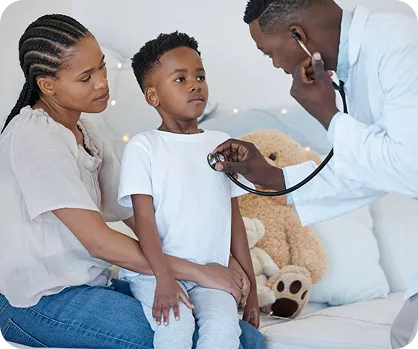
Symptoms
Common symptoms of JDM in children include:
- Skin rash, often appearing as a pink or purple rash on the face, neck, and extremities
- Muscle weakness, particularly in the proximal muscles (those closest to the trunk of the body)
- Fatigue and loss of energy
- Joint pain and swelling
- Difficulty swallowing or speaking
- Eye inflammation (in some cases)
Causes
The exact cause of JDM is unknown, but it is believed to be a combination of genetic and environmental factors. Some potential triggers include:
- Genetic predisposition
- Abnormal immune system function
- Infections, such as viral or bacterial infections
- Environmental factors, such as exposure to toxins or allergens
Diagnosis
Diagnosing JDM can be challenging, as its symptoms can be similar to those of other conditions. To diagnose JDM, doctors may use a combination of:
- Physical exam to assess muscle strength and look for signs of skin inflammation
- Medical history to rule out other conditions
- Laboratory tests, such as blood tests and muscle biopsies
- Imaging studies, such as MRI or ultrasound
- Skin biopsy to examine skin tissue for inflammation and damage
Treatment Options
At Gertrude’s Children’s Hospital, our team of pediatric rheumatologists and specialists offer a range of treatment options to manage JDM symptoms and improve quality of life. These may include:
- Medications to reduce inflammation and suppress the immune system, such as corticosteroids and immunosuppressants
- Physical therapy to maintain muscle strength and mobility
- Occupational therapy to help children adapt to daily activities
- Speech therapy to address swallowing and speaking difficulties
- Lifestyle modifications, such as maintaining a healthy weight and staying active
Patient Success Stories
At Gertrude’s Children’s Hospital, we are committed to providing the best possible care for children with Juvenile Dermatomyositis (JDM). Here’s why families trust us:
“My son was diagnosed with JDM at age 10, and it was a challenging time for our family. The team at Gertrude's Children's Hospital was amazing. They worked with us to develop a treatment plan that helped him manage his symptoms and live a normal life. We're grateful for their expertise and compassion.”
Emilymother of a child with JDM
Juvenile Dermatomyositis (JDM)
With proper treatment and care, most children with JDM can lead active and normal lives. However, some may experience persistent symptoms or develop complications, such as muscle damage or eye problems.
Currently, there is no cure for JDM, but with treatment, symptoms can be managed and quality of life can be improved.
Encourage your child to stay active, maintain a healthy weight, and follow their treatment plan. Also, educate yourself and your child about JDM and its management.
Contact Us
If your child has been diagnosed with JDM or you have concerns about their skin or muscle health, please contact us to schedule an appointment with our pediatric rheumatology team. We’re here to provide the best possible care for your child.
Contact us today to learn more about our Juvenile Dermatomyositis (JDM) treatment options.
- Phone: +254-709-529-000, +254-733-645-000
- Email: Info@gerties.org
- Online Scheduling: https://www.gerties.org/book-appointment/