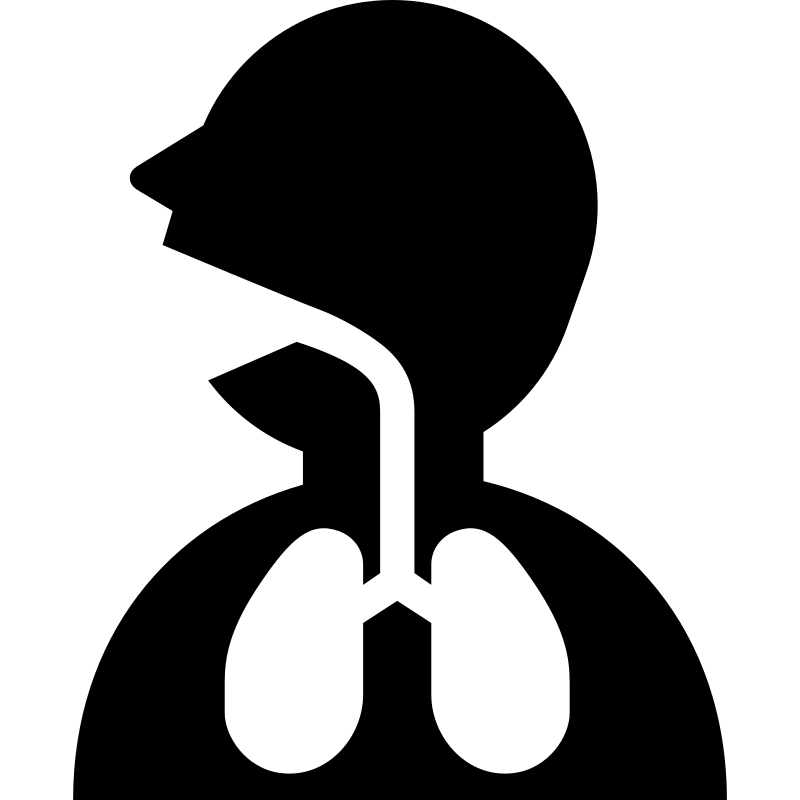
Adenoiditis is the inflammation or infection of the adenoids, which are small glands located at the back of the nasal cavity, near the throat. The adenoids are part of the immune system and help fight infections, but they can themselves become infected, leading to symptoms like nasal congestion, sore throat, and ear problems. Adenoiditis is common in children, especially those aged 3 to 7 years. While it often resolves on its own or with medication, recurrent or chronic adenoiditis may require the removal of the adenoids through a surgical procedure known as an adenoidectomy.
Adenoiditis (Inflammation/Infection of Adenoids) in Children
- Overview
- Symptoms
- Causes
- Diagnosis
- Treatment Options
- Living with Adenoiditis (Inflammation/Infection of Adenoids) in Children
- Contact Us
Overview

Symptoms
Adenoiditis can cause a range of symptoms that affect a child’s breathing, throat, and ears. Common symptoms include:
- Nasal congestion: Persistent stuffy nose, often leading to mouth breathing.
- Sore throat: Throat discomfort, especially when swallowing.
- Post-nasal drip: Excess mucus draining from the nose to the back of the throat, causing coughing or throat irritation.
- Snoring: Loud snoring due to airway obstruction caused by enlarged or inflamed adenoids.
- Breathing from the mouth
- Nasal speech
- Ear pain or infections: The adenoids are located near the eustachian tubes, which drain fluid from the middle ear. Infected or swollen adenoids can block the eustachian tubes, leading to ear infections or hearing problems.
- Sleep disturbances: Difficulty sleeping, frequent waking during the night, or obstructive sleep apnea (pauses in breathing during sleep).
- Swollen neck glands: Enlarged lymph nodes in the neck due to infection.
Causes
Adenoiditis is usually caused by infections, either viral or bacterial. Common causes include:
- Viral infections: Adenoiditis often follows a cold or respiratory infection caused by viruses such as the common cold or flu.
- Bacterial infections: Bacterial infections, such as those caused by Streptococcus bacteria, can also lead to adenoiditis. Bacterial infections may require antibiotic treatment.
Risk Factors
Certain factors can increase the likelihood of developing adenoiditis:
- Age: Adenoiditis is most common in young children between the ages of 3 and 7, as the adenoids are largest during this stage of development.
- Frequent colds or infections: Children who are frequently exposed to colds or respiratory infections are at higher risk for developing adenoiditis.
- Exposure to allergens or irritants: Allergies, secondhand smoke, or other environmental irritants can contribute to chronic inflammation of the adenoids.
- Chronic sinus infections: Children with chronic sinus infections may be more prone to developing adenoiditis due to the proximity of the adenoids to the nasal passages.
Diagnosis
A doctor can diagnose adenoiditis based on symptoms and a physical examination. The diagnostic process may include:
- Throat and nasal examination: The doctor will examine the throat and nasal passages using a light and may feel for swollen lymph nodes in the neck.
- Imaging tests: X-rays or other imaging tests may be done to assess the size of the adenoids and rule out other conditions.
- Throat culture or swab: If a bacterial infection is suspected, a throat swab may be taken to identify the bacteria causing the infection.
Treatment Options
Treatment for adenoiditis depends on the severity of the condition and whether it is caused by a viral or bacterial infection. At Gertrude’s Children’s Hospital, we offer a range of treatment options to help manage adenoiditis and improve your child’s breathing and overall health.
- Home care:
- Rest and fluids: Ensuring your child gets plenty of rest and drinks fluids can help them recover from viral adenoiditis.
- Saline nasal sprays: Saline sprays or rinses can help relieve nasal congestion and keep the nasal passages moist.
- Pain relievers: Over-the-counter pain relievers such as acetaminophen or ibuprofen can help reduce throat pain, fever, and discomfort.
- Antibiotics:
If the adenoiditis is caused by a bacterial infection, antibiotics may be prescribed to clear the infection. It is important to complete the entire course of antibiotics to prevent recurrence. - Adenoidectomy (surgical removal of the adenoids):
In cases where adenoiditis is recurrent or chronic, or if the adenoids are severely enlarged and causing sleep apnea or frequent ear infections, an adenoidectomy may be recommended. This is a simple, outpatient procedure where the adenoids are removed to prevent future infections and improve breathing. Adenoidectomy is often performed in conjunction with a tonsillectomy if both the adenoids and tonsils are causing problems.
Adenoiditis (Inflammation/Infection of Adenoids) in Children
If your child frequently has a stuffy nose, snoring, ear infections, or difficulty breathing through their nose, their adenoids may be enlarged or infected. A doctor can perform an examination to determine if adenoiditis is the cause.
Adenoiditis can occur after a cold, but it involves specific inflammation or infection of the adenoids, leading to more persistent nasal congestion, throat pain, or ear problems. A cold typically resolves within a week, while adenoiditis may require additional treatment.
Surgery (adenoidectomy) may be recommended if your child has frequent episodes of adenoiditis, enlarged adenoids causing sleep problems or breathing difficulties, or recurrent ear infections. The surgery can improve breathing and reduce the risk of future infections.
Recovery from an adenoidectomy usually takes about one to two weeks. During this time, your child may experience mild throat discomfort, which can be managed with pain relievers and a soft diet.
In rare cases, adenoids may grow back after an adenoidectomy, especially if the surgery is done at a very young age. However, this is uncommon, and most children do not experience recurrent problems after the surgery.
Contact Us
If your child is experiencing symptoms of adenoiditis or has been diagnosed with enlarged adenoids, Gertrude’s Children’s Hospital is here to provide expert care. Our pediatric ENT specialists are dedicated to ensuring your child receives the most effective treatment.
Contact us today to learn more about our Adenoiditis (Inflammation/Infection of Adenoids) in Children treatment options.
- Phone: +254-709-529-000, +254-733-645-000
- Email: Info@gerties.org
- Online Scheduling: https://www.gerties.org/book-appointment/