Hypothermia or Coldness in Neonates

Overview

Hypothermia is when a baby’s core body temperature drops below 36.5°C (97.7°F), according to the World Health Organization. This condition can be especially dangerous for premature babies, increasing the chances of illness and even death. Hypothermia can happen due to a cold environment or because of an illness like an infection (sepsis). To prevent this, it’s important to keep the delivery room or operating room at the right temperature.

If a baby becomes hypothermic, they need to be warmed up, and any underlying cause, like an infection, should be identified and treated. For both full-term and premature babies, a normal body temperature (measured rectally) should be between 36.5°C and 37.5°C. Even if a baby’s temperature is above 36.5°C, they can still experience “cold stress” if their body has to work harder to stay warm, which can be a sign that they’re losing too much heat.

Understanding the signs, causes, and treatment options for hypothermia in newborns is crucial for ensuring their health and well-being.

Symptoms

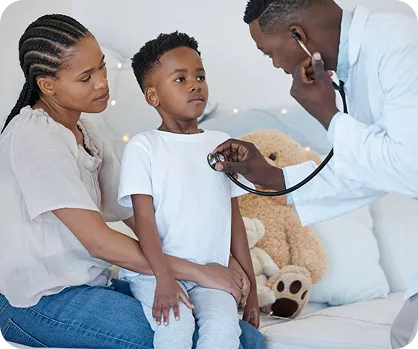
It’s important to recognize the signs of hypothermia early, as timely intervention can prevent complications. Common symptoms of hypothermia in newborns include:

  • Cool Skin: The baby’s skin may feel cool to the touch, especially in areas like the hands, feet, and face.
  • Pale or Bluish Skin: A baby with hypothermia may have pale or bluish skin, particularly around the lips and extremities.
  • Lethargy: The baby may seem unusually tired, sleepy, or less active than usual.
  • Weak Cry: The baby’s cry may be weaker or quieter than normal.
  • Poor Feeding: Babies with hypothermia may have difficulty feeding, showing little interest in breastfeeding or bottle-feeding.
  • Shivering: While shivering is rare in newborns, it can occur in some cases of hypothermia.
  • Difficulty in breathing

Causes

Several factors can contribute to hypothermia in newborns. Understanding these can help in preventing the condition:

Causes

  • Environmental Factors: 
    • Cold delivery rooms, inadequate clothing, or prolonged exposure to cold environments can lead to hypothermia.
  • Medical Conditions: 
    • Certain infections, brain bleeding or drug withdrawal

Risk Factors: 

  • Prematurity: 
    • Premature babies are more prone to hypothermia because they have less body fat and thinner skin, making it harder for them to retain heat.
  • Low Birth Weight: 
    • Babies with low birth weight may struggle to maintain their body temperature due to a lack of insulating body fat.
  • Complications During Birth: 
    • Difficult or prolonged labor
    • lack of immediate skin-to-skin contact after birth/delivery in a room with low temperature
    • low apgar score (which measures a baby’s health right after birth)
  • Maternal High blood pressure in pregnancy

Factors Affecting a Baby’s Body Temperature:

  • Temperature balance in newborns can be disrupted by 
    • Humidity
    • air movement
    • contact with cold surfaces
    • being near cold objects
    • the surrounding air temperature.
  • Newborns, especially those with low birth weight, lose heat quickly because they have a large surface area compared to their body size.

Ways Newborns Lose Heat:

  • Radiant Heat Loss: 
    • When a baby’s bare skin is exposed to cooler objects or the environment.
  • Evaporative Heat Loss: 
    • When a baby is wet, such as right after birth when covered in amniotic fluid.
  • Conductive Heat Loss: 
    • When a baby touches a cold surface or object.
  • Convective Heat Loss: 
    • When cooler air flows around the baby, taking heat away.

Impact of Prolonged Cold Stress:

  • Prolonged exposure to cold can cause a baby to use up calories to stay warm, which can slow their growth.
  • Babies have a special way to generate heat without shivering. This involves activating brown fat (located around the neck, shoulders, kidneys, and adrenal glands) using a chemical process.
  • This process increases the baby’s metabolic rate and oxygen use significantly, which can be dangerous for babies with breathing problems, like those born prematurely with respiratory distress syndrome.
  • Cold stress can also cause temporary high blood sugar, but if hypothermia continues, it can lead to low blood sugar, metabolic issues, increased risk of infection, and even death.

Thermoregulation in Newborns:

  • Despite their ability to generate heat, newborns, especially those with low birth weight, struggle to maintain their body temperature.
  • Before a baby’s temperature actually drops, cold stress can occur, requiring the baby to produce more heat.

Neutral Thermal Environment (Thermoneutrality):

  • The ideal temperature for a newborn is where they use the least energy to stay warm, keeping their body temperature between 36.5°C and 37.5°C (rectal).
  • The exact temperature needed for this depends on whether the baby is wet (like after birth or a bath), clothed, their weight, gestational age, and how many hours or days old they are.

Diagnosis

Diagnosing hypothermia in newborns involves a combination of clinical observation and temperature measurement. Healthcare providers typically use a thermometer to check the baby’s body temperature. A reading below 36.5°C (97.7°F) suggests hypothermia. In some cases, additional tests may be conducted to determine the underlying cause, such as blood tests to check for infections or other medical conditions.

Treatment Options

Treating hypothermia in newborns focuses on gradually warming the baby and addressing any underlying causes. Here are the common treatment approaches:

  • Skin-to-Skin Contact (Kangaroo Care): Placing the baby on the mother’s bare chest, covered with a blanket, can help raise the baby’s body temperature through direct body heat.
  • Warm Clothing and Blankets: Wrapping the baby in warm clothing and blankets is essential. The baby’s head should be covered with a hat to prevent heat loss.
  • Incubator Use: In more severe cases, the baby may be placed in an incubator or radiant warmer, which provides a controlled, warm environment to stabilize the baby’s temperature.
  • Intravenous (IV) Fluids: If the baby is not feeding well, IV fluids may be given to ensure proper hydration and nutrition.
  • Treating Underlying Causes: If an infection or other medical condition is causing hypothermia, appropriate treatments such as antibiotics or other medications will be administered.
  • Treatment Before Birth

Before Birth Care:

  • Fetal Monitoring: 
    • Doctors use ultrasound to monitor the baby’s condition and determine if an in-utero (before birth) blood transfusion is needed.
  • In-Utero Transfusion: 
    • If the baby has severe anemia, doctors may perform a blood transfusion directly into the baby’s umbilical vein. This helps replace the damaged red blood cells.
  • Timing of Delivery: 
    • The baby may be delivered early if the lungs are mature, if there are complications, or if the pregnancy reaches 35-37 weeks.

After Birth Care:

  • Immediate Care at Birth:
    • A skilled doctor should be present at the birth, and special blood for transfusions should be ready.
    • If the baby shows signs of severe anemia or other complications at birth (such as pale skin, enlarged liver or spleen, or swelling), immediate medical care is essential.
    • This may include 
      • stabilizing the baby’s body temperature
      • correcting any blood chemistry imbalances
      • providing a small blood transfusion if needed. 
      • If the baby has difficulty breathing, assisted ventilation might be necessary.
  • Exchange Transfusion:
    • If the baby is at high risk of developing severe anemia or very high bilirubin levels, an exchange transfusion may be needed. 
    • This involves gradually replacing the baby’s blood with donor blood to remove the antibodies and excess bilirubin.
  • Intravenous Immunoglobulin (IVIG):
    • Administering IVIG early on can help reduce the breakdown of red blood cells, lower bilirubin levels, and decrease the need for exchange transfusions.
  • Phototherapy:
    • Phototherapy is a treatment that uses special lights to help lower high levels of bilirubin in the baby’s blood, which can cause jaundice.
  • Some babies with ABO hemolytic disease might develop anemia slowly over a few weeks and could need a blood transfusion later on. After the baby goes home, it’s important to regularly monitor their hemoglobin or hematocrit levels to ensure they stay healthy.

Patient Success Stories

At Gertrude’s Children’s Hospital, we are committed to providing the best possible care for children with Hypothermia or Coldness in Neonates. Here’s why families trust us:

“Our baby was diagnosed with Hypothermia, and we were so worried about their health. But the team at Gertrude's Children's Hospital was amazing. They explained everything to us and provided the best possible care for our baby. Thanks to their treatment, our baby's anemia is now under control.”

Sarahparent of a baby with Hypothermia

Hypothermia or Coldness in Neonates

A normal body temperature for a newborn is between 36.5°C (97.7°F) and 37.5°C (99.5°F). Temperatures below 36.5°C may indicate hypothermia.

To prevent hypothermia, ensure that your baby is kept warm, especially immediately after birth. Skin-to-skin contact, proper clothing, and keeping the baby in a warm environment are essential steps.

Yes, hypothermia can be dangerous if not treated promptly. It can lead to complications such as breathing difficulties, low blood sugar, and in severe cases, even death.

The duration of treatment depends on the severity of the hypothermia and the underlying cause. Mild cases can often be resolved quickly with proper warming techniques, while more severe cases may require longer hospital stays and additional treatments.

If treated promptly and effectively, most babies recover fully from hypothermia without long-term health effects. However, if left untreated, hypothermia can lead to serious complications.

If your baby shows signs of hypothermia, such as cool skin, lethargy, or poor feeding, it is important to contact a healthcare provider immediately.

If you suspect your baby has hypothermia, try to warm them using skin-to-skin contact and by wrapping them in warm blankets. Then, seek medical attention as soon as possible.

Hypothermia refers to a dangerously low body temperature, while fever is an abnormally high body temperature. Both conditions require medical attention but are managed differently.

Contact Us

If you have concerns about your newborn’s health or want to learn more about preventing and treating hypothermia, our team at Gertrude’s Children’s Hospital is here to help. We offer personalized consultations and expert care tailored to your baby’s needs.

Contact us today to learn more about our Hypothermia or Coldness in Neonates treatment options.

Book Appointment